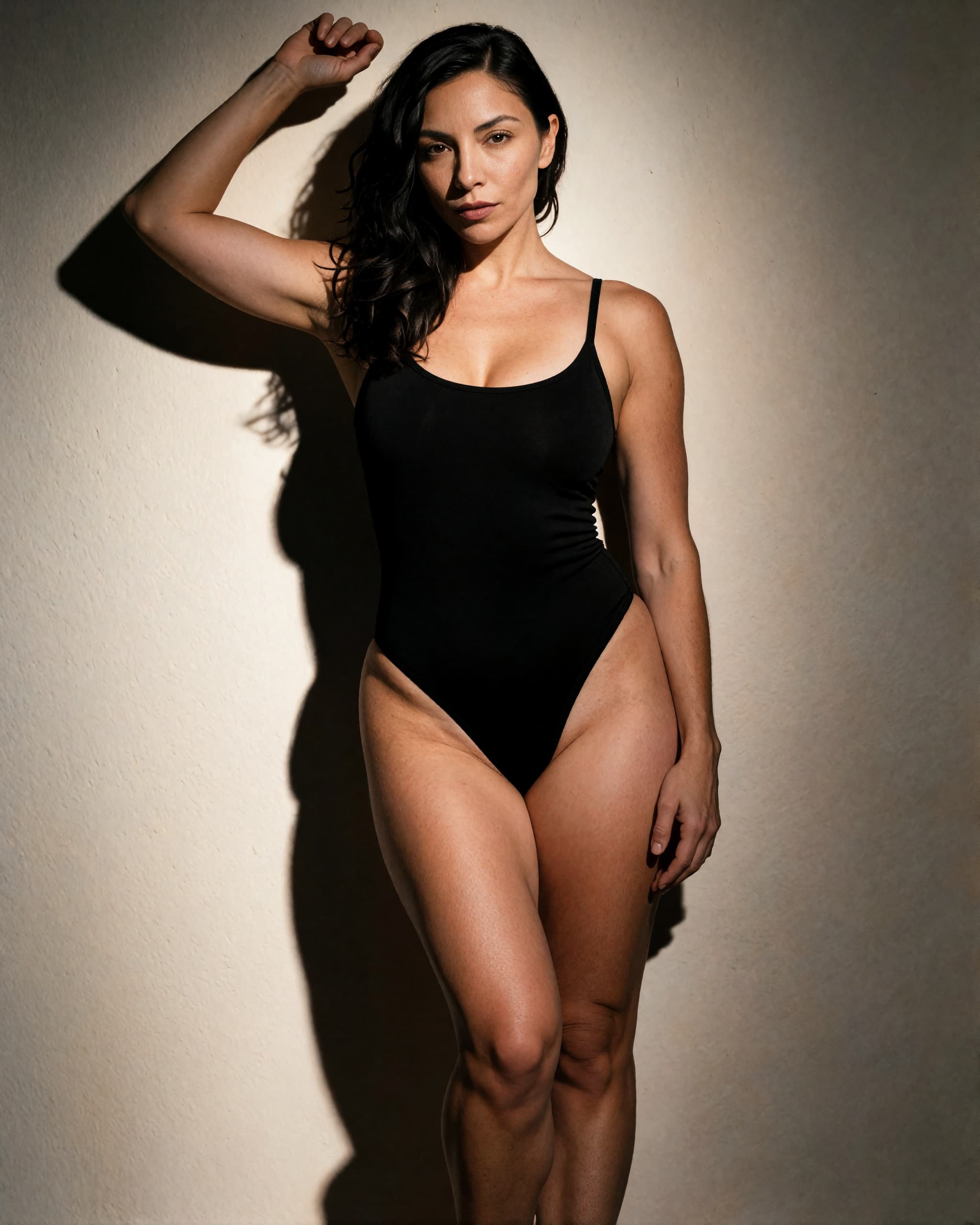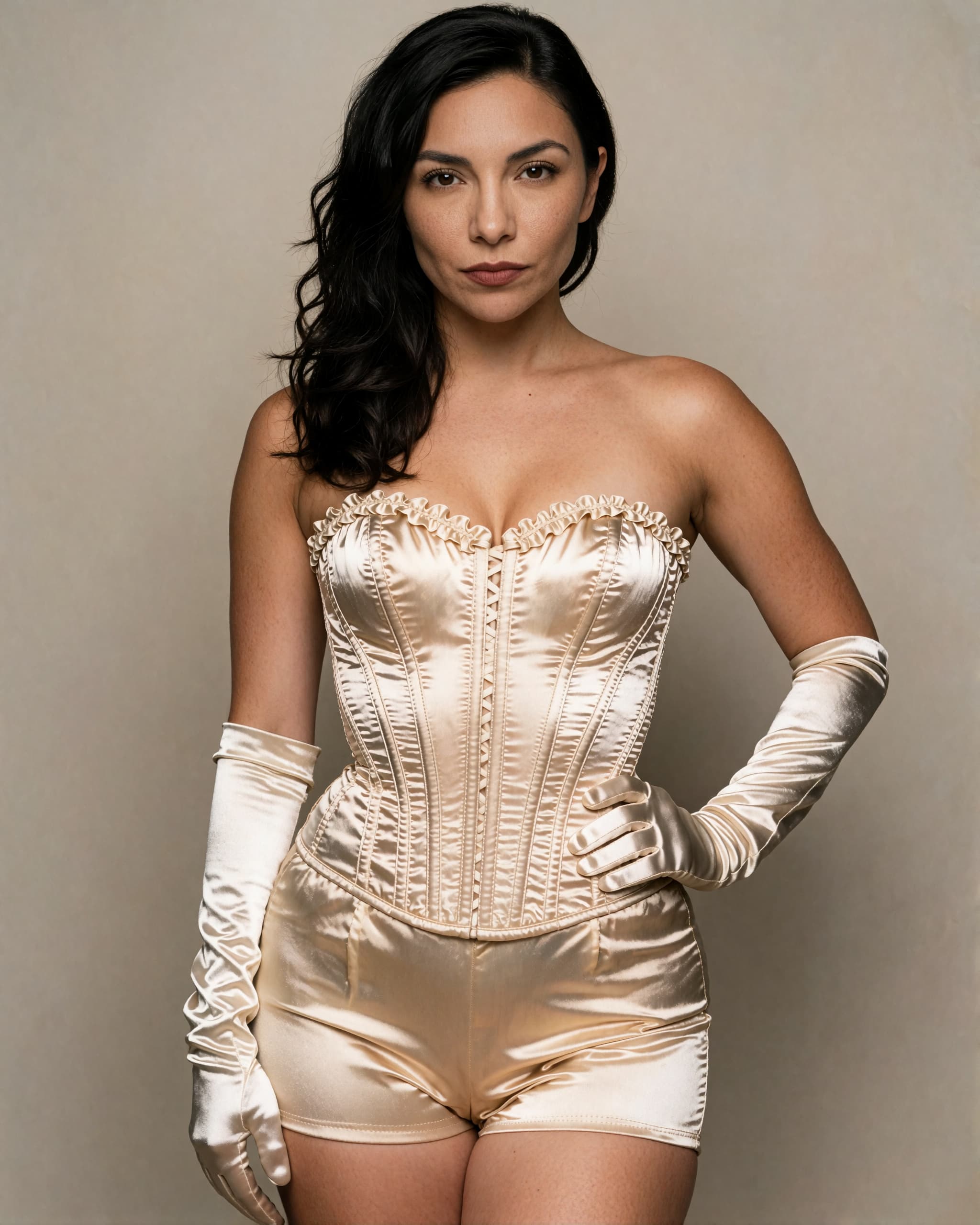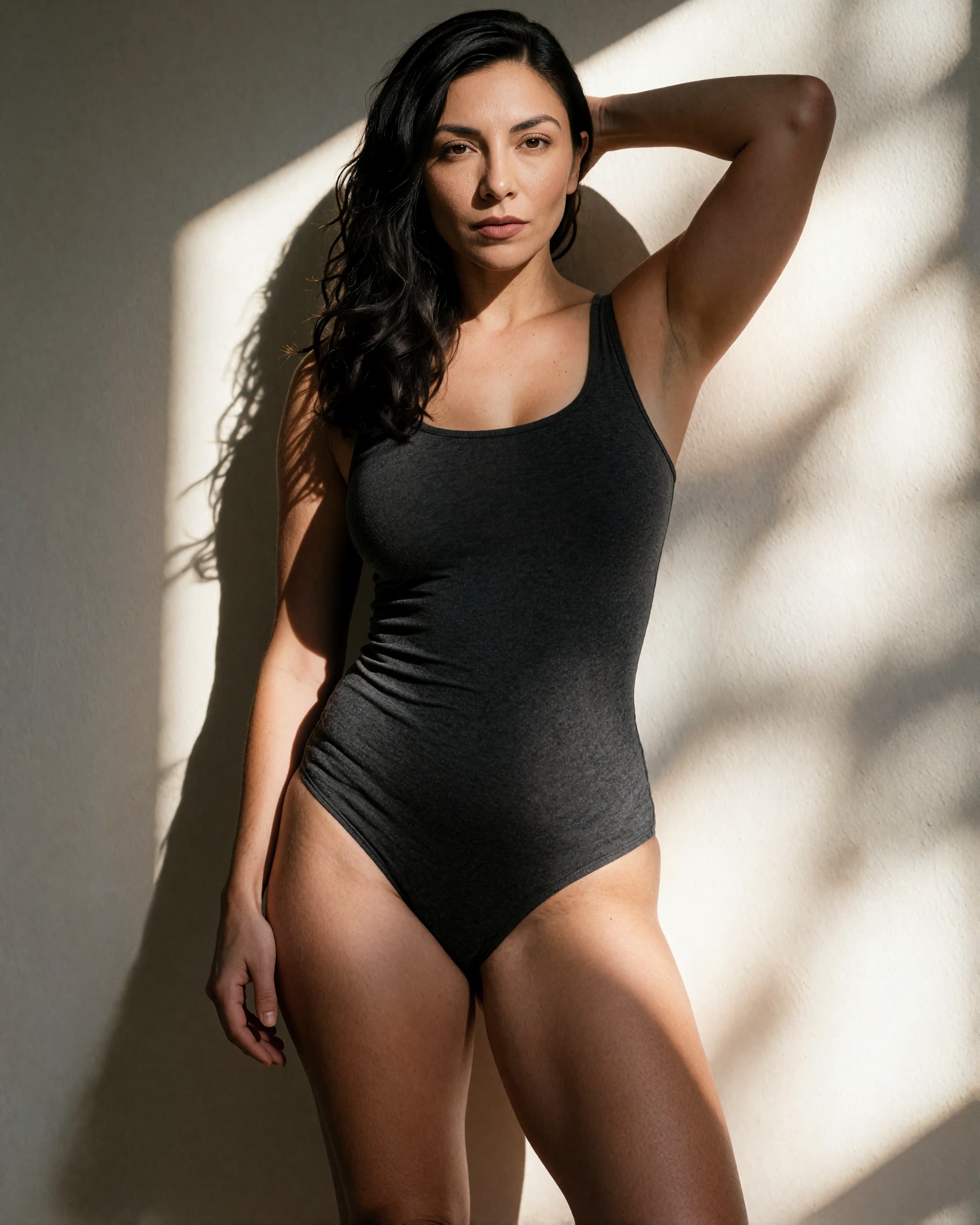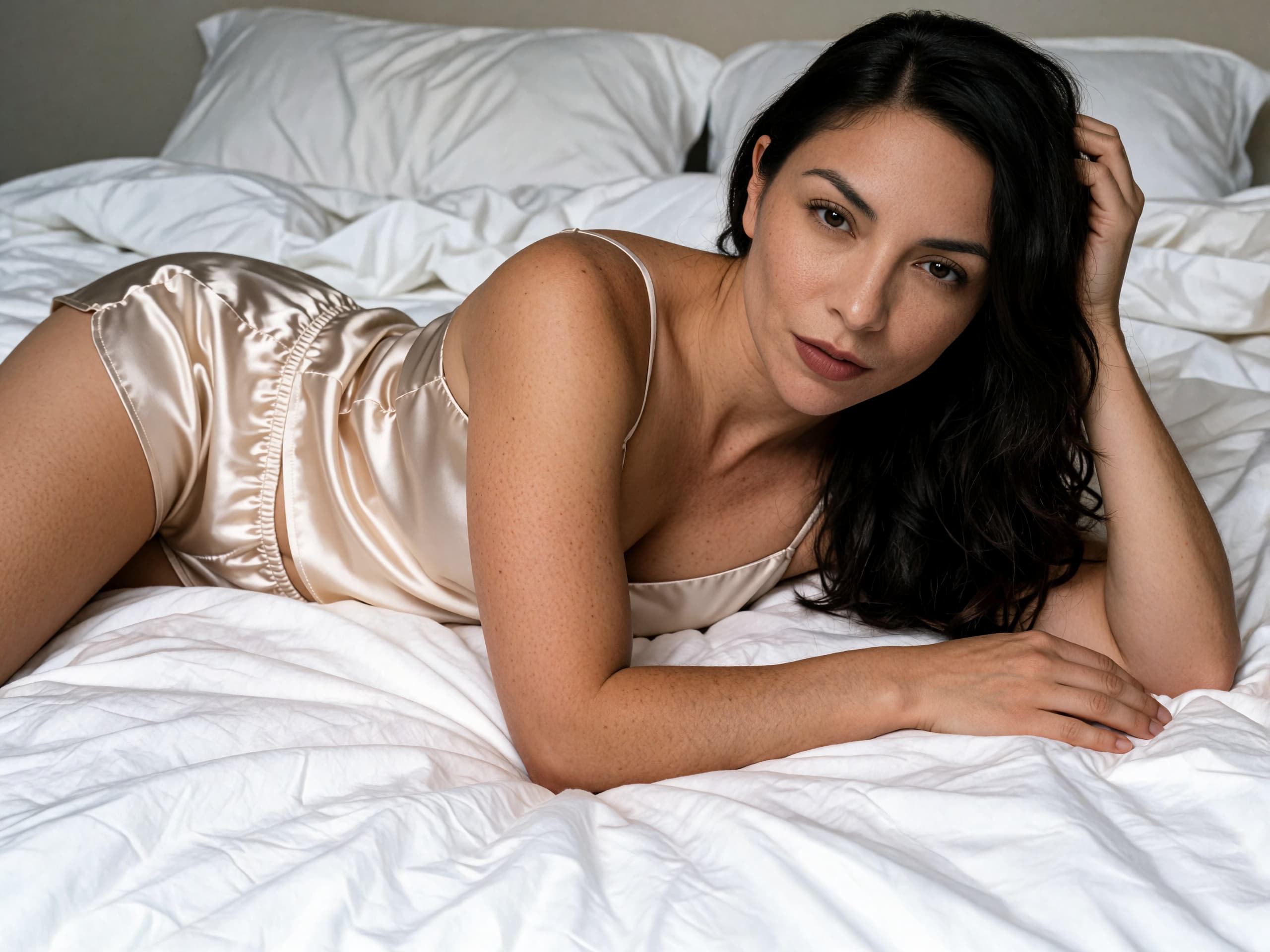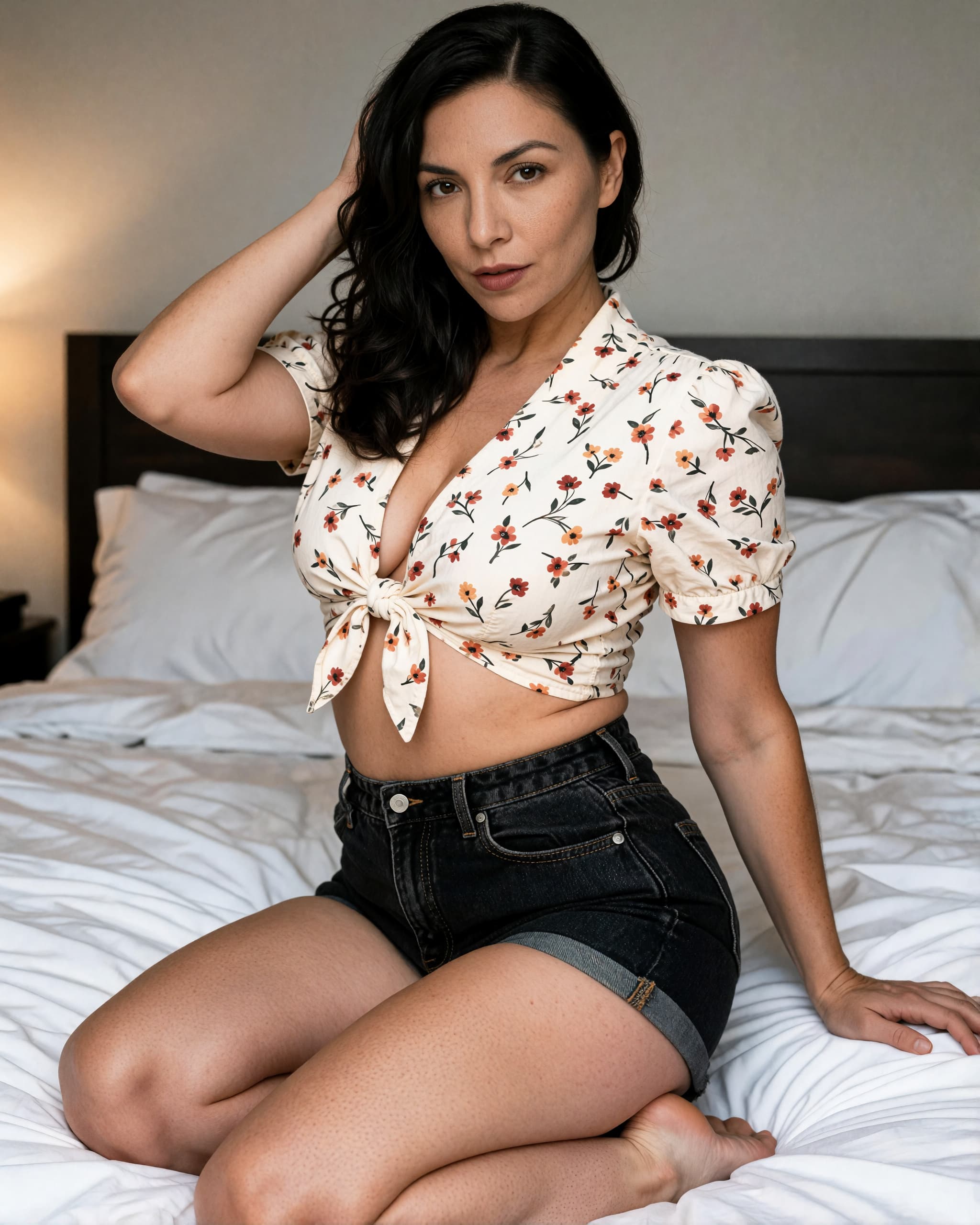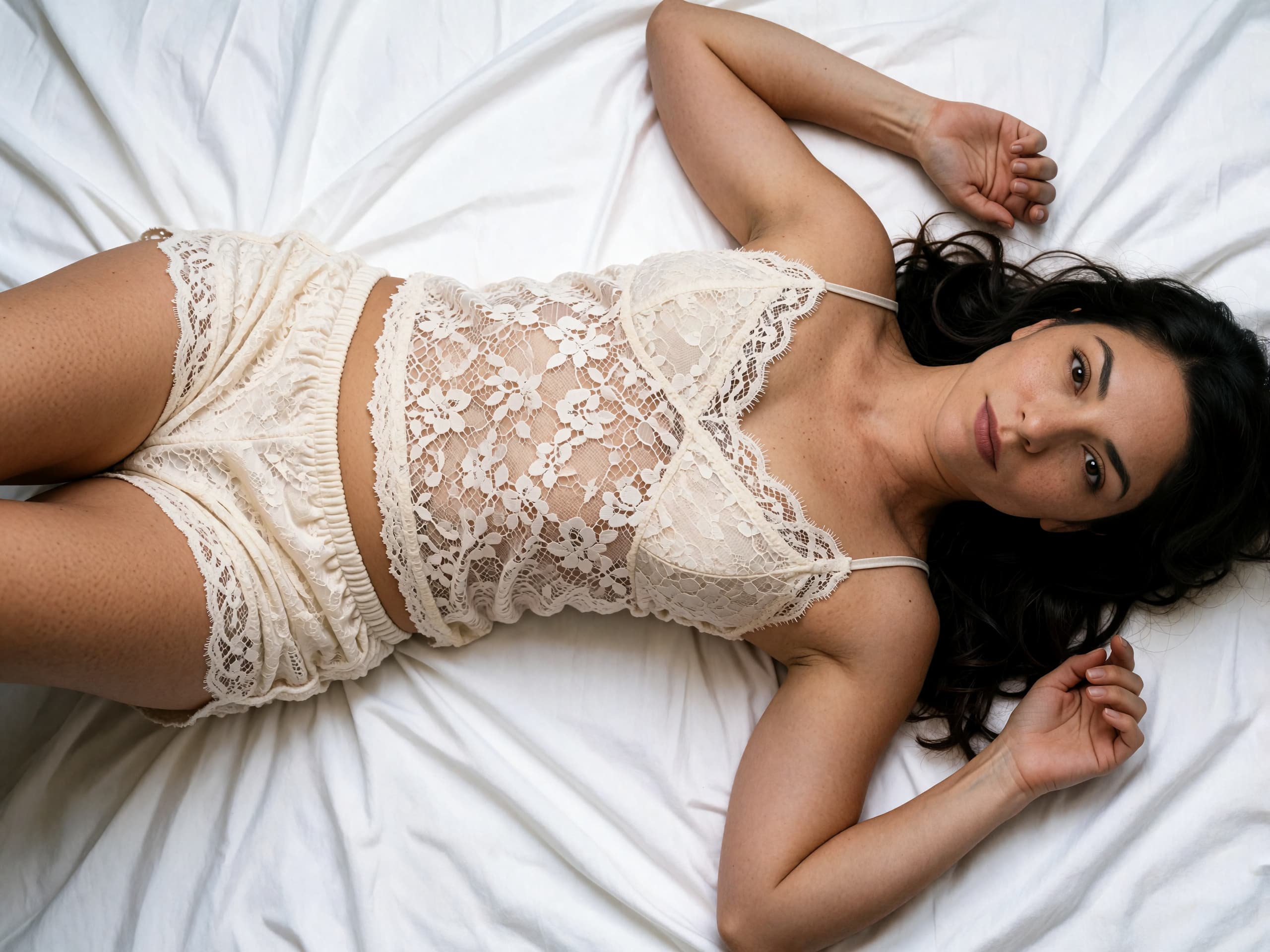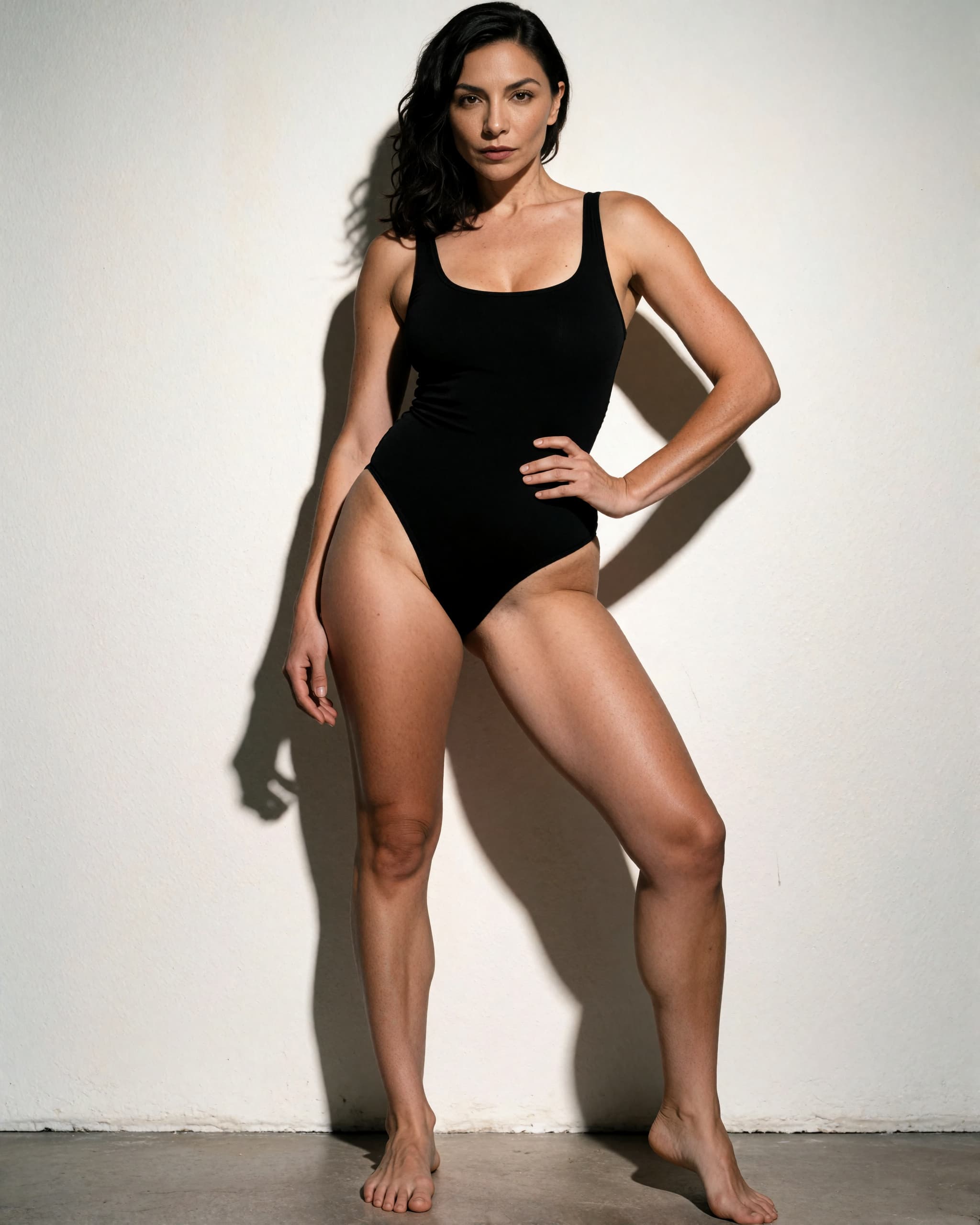
Recreate this look
Structured
Lighting
- Any time of day, and any weather: if a window is the source it has to be daylight, and if a lamp and a sheet are, it can be the middle of the night. The most flexible light in the library to plan around.
- You almost certainly do not need to buy anything. A big window with a sheer curtain across it, or a white bedsheet clipped over a bright lamp, produces the same broad, soft, even wrap of light that a softbox does — use whichever of those you have.
- Place that source to one side of you at roughly forty-five degrees, a little above your head, angled down towards you. Big and close is what makes light soft; small and far is what makes it hard.
- The larger the lit surface, the softer the result. A whole window beats a small one, and a sheet clipped over a lamp beats the bare bulb, every time.
- Turn every other light off so this one source does all the work.
- Set the exposure — how bright or dark the picture comes out — off a stand-in, not off yourself: you cannot tap your own body from behind the phone. Put a cushion or a folded coat where you will be, tap the screen on its lit side, then ease the slider down a little so the brightest highlights keep their detail.
- Check the shadow on the far side of you in a test frame. It should fall away gently rather than cutting a hard edge; if it cuts, move the light closer to you or put more fabric in front of it.
Posing
- Stand about an arm's length in front of the wall rather than flat against it. That gap keeps your own shadow off it and gives the frame a little depth.
- Put your weight on your back foot and let the front knee soften. Standing square with both feet flat is what makes a standing frame look stiff; one leg carrying the weight is what makes it look easy.
- Cross the front ankle loosely in front of the other, or step it a little forward. Either one lengthens the whole line from shoulder to heel.
- Push the hip you are standing on out to the side. That one push is what puts the curve into the line from ribs to hip, and it changes the shape of a standing frame more than anything else on this list.
- Turn the hip nearest the camera slightly away instead of facing it square on. A three-quarter turn suits every figure better than facing straight forward.
- Roll both shoulders up, back, and down, then leave them there. Lengthen the back of your neck as though the top of your head were being drawn upwards, and keep your chest open.
- Keep the arm nearest the camera an inch or two clear of your ribs — a hand on the hip, a thumb hooked in a belt loop, a palm flat against the wall. An arm pressed flat against your side and the line of your body merge into one shape in the frame; the small gap is what keeps the line.
- Give both hands a job: gather a hem, hold a lapel loosely closed, lift your hair off the back of your neck, settle a hand against the wall. Hands with something to do look relaxed; hands left hanging look forgotten.
- Lift your chin a little and push it slightly forward — forward as well as up, not just up. It feels strange and it looks right, and it keeps the jawline clean.
- Choose where to look before the timer starts, and hold it: down the lens, off toward the light, or back over your shoulder. Hunting for somewhere to look while the run is firing is what most uncertain frames are made of.
- Breathe out as the picture is taken. The shoulders drop, the face softens, and you get caught between two breaths instead of braced and holding still.
- If standing unsupported feels wobbly, put a shoulder or a palm against something solid just out of frame. Leaning takes the balancing away, and a supported stance reads as ease rather than as help.
- Shoot a run of frames and change one small thing between each one — swap which leg carries the weight, turn a shoulder, move a hand. Ten frames with one change each will beat ten identical ones every time.
Coming with free accounts: saving this look to your favourites, dropping it straight into a shoot plan, and pose notes adjusted to your space and comfort level. Until then, the recipe above is the whole thing — print it, or keep it open on your phone. Grab the free checklist and we'll email you the moment accounts open.